
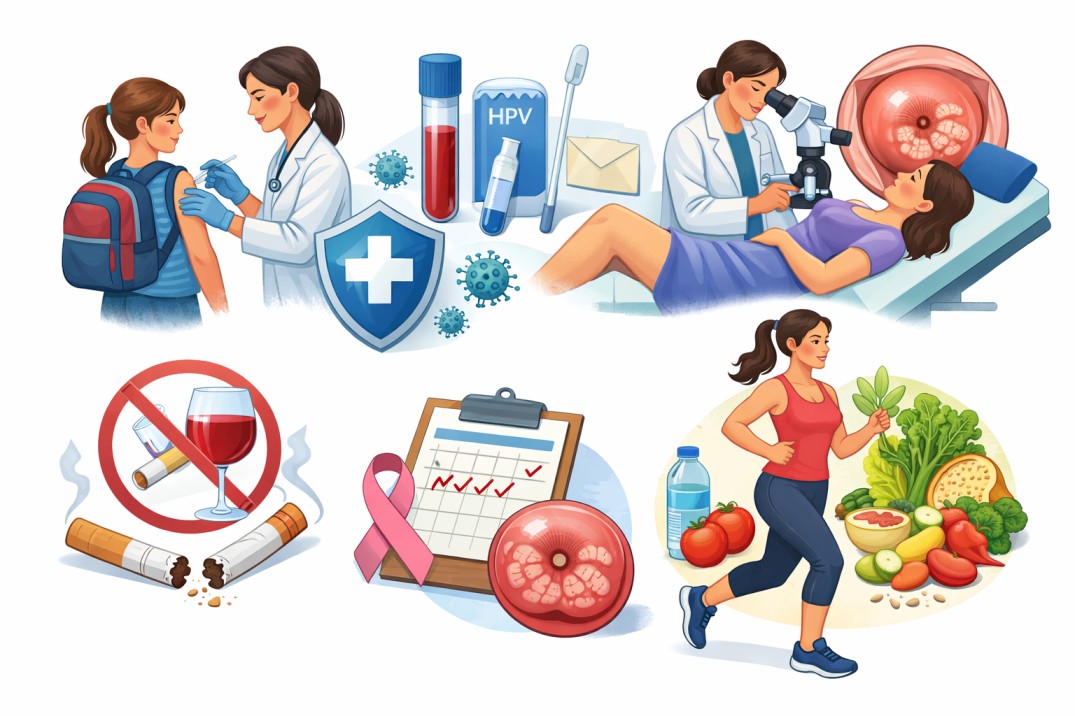
In 2026, gynaecologists across the world continue to emphasize a set of evidence-based strategies that can dramatically reduce the risk of cervical cancer. While medical technologies and treatment protocols continue to evolve, the most effective prevention still depends on informed personal choices, timely screening, and sustained healthy habits. This report consolidates the latest international recommendations from leading specialists and translates complex clinical guidelines into practical, actionable steps women can adopt today—and rely upon for generations to come.
Vaccination and Its Expanding Role
The human papillomavirus (HPV) vaccine remains the cornerstone of cervical cancer prevention worldwide. Current vaccine formulations protect against a broader range of high-risk HPV strains responsible for the vast majority of cervical cancer cases. Medical experts recommend vaccination ideally before the onset of sexual activity—typically between the ages of 9 and 14—but strongly endorse catch-up vaccination programs for adults up to the age of 45.
Long-term population studies from multiple countries demonstrate up to a 90% reduction in high-grade precancerous cervical lesions among fully vaccinated populations. Gynaecologists consistently stress the importance of completing the full vaccine series, as incomplete dosing can leave gaps in protection, particularly against newer high-risk HPV types. To improve adherence, healthcare systems increasingly rely on digital reminder tools and school-based vaccination programs. In many countries, insurance providers now cover the complete vaccine course with minimal or no out-of-pocket cost.
Screening Innovations and the Rise of Self-Sampling
While traditional Pap smears have saved countless lives, they remain underutilized in many regions due to access barriers, social stigma, or time constraints. In response, global health authorities are steadily transitioning toward primary HPV testing, which offers higher sensitivity and allows for longer screening intervals—often every five years for women aged 30 to 65, depending on national guidelines.
A major advancement in recent years has been the introduction of self-collected HPV testing kits. These allow women to collect samples at home and send them to accredited laboratories for analysis. Large-scale studies have shown self-collected samples to be comparable in accuracy to clinician-collected specimens when processed correctly. This innovation has significantly improved screening participation among underserved and high-risk populations. Gynaecologists recommend discussing self-sampling options with healthcare providers, particularly for those who face challenges attending regular clinic visits.
Lifestyle Factors That Influence Risk
Beyond vaccination and screening, lifestyle choices play a meaningful role in cervical cancer prevention. Smoking cessation is especially critical, as tobacco use weakens immune response to HPV and accelerates the progression of abnormal cervical cells. Maintaining a healthy body weight, limiting alcohol intake, and engaging in regular physical activity help support immune function and overall reproductive health.
A diet rich in fruits, vegetables, whole grains, and essential micronutrients has been associated with improved viral clearance and reduced cellular inflammation. While lifestyle measures cannot replace medical screening or vaccination, they significantly strengthen the body’s natural defenses and contribute to long-term risk reduction.
Key Preventive Actions Recommended by Gynaecologists
- Complete the full HPV vaccine series before age 15, or pursue catch-up vaccination up to age 45 where recommended.
- Undergo primary HPV screening every five years, or follow locally advised Pap smear schedules.
- Explore self-sampling HPV test kits if access to clinical screening is limited.
- Quit smoking and moderate alcohol intake to enhance immune resilience.
- Maintain a balanced diet and regular exercise routine to support overall health.
A Prevention Framework That Endures
By integrating early vaccination, modern screening technologies, and healthy lifestyle practices, women can dramatically reduce their lifetime risk of cervical cancer. Gynaecologists worldwide emphasize the importance of proactive dialogue with healthcare providers to tailor prevention strategies to individual needs.
While screening technologies and vaccines will continue to advance, the core principles of early vaccination, regular screening, and sustained healthy living are expected to remain central to cervical cancer prevention for decades to come. Staying informed and taking decisive action today will help ensure a healthier tomorrow—keeping cervical cancer incidence on a sustained downward trajectory across generations.
