
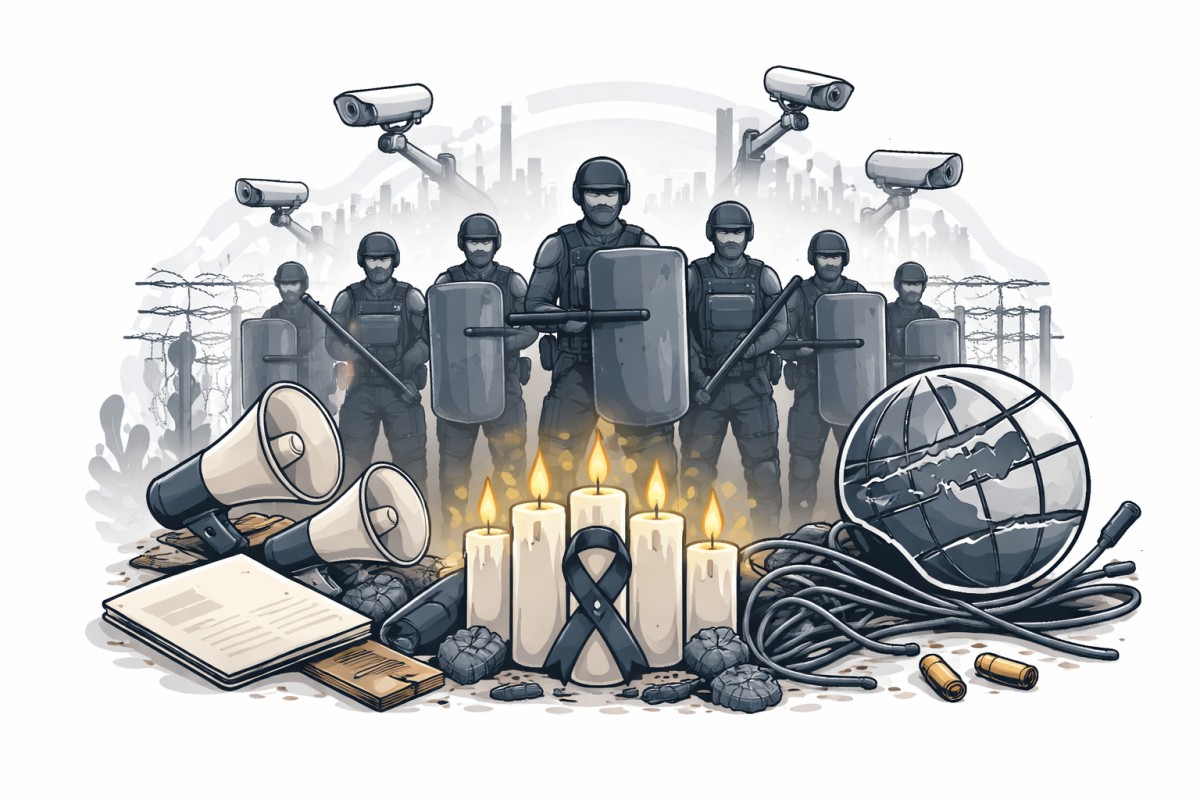
TEHRAN, Iran — January 13, 2026: A startling disclosure from an Iranian government official has confirmed that approximately 2,000 people lost their lives during the two-week wave of civil unrest that ignited on December 28, 2025. This admission, made on January 13, 2026, marks a watershed moment in the state’s transparency regarding internal dissent, though the narrative surrounding the deaths remains a fierce point of contention. The protests, initially sparked by the catastrophic devaluation of the Iranian rial—which plunged to a record low of 1.4 million per U.S. dollar—rapidly evolved from economic outcries into a direct challenge against the central authorities. As citizens flooded the streets across major urban centers, the government responded with a massive deployment of security forces and a total internet blackout, a strategy designed to paralyze activist coordination and shield the unfolding events from the global eye.
While the acknowledgment of 2,000 fatalities is a grim milestone, the official state narrative continues to frame the tragedy through the lens of national security. Authorities have attributed the bulk of these deaths to “terrorists” and “foreign-backed saboteurs,” alleging that external adversaries exploited economic frustrations to destabilize the country. This positioning serves to justify the lethal force used by law enforcement, even as international monitors like the United Nations and Human Rights Watch present a starkly different picture of the violence. UN Human Rights Chief Volker Türk expressed profound horror at the scale of the crackdown, noting that the confirmed death toll—while high—may still be a conservative estimate compared to reports from activist groups on the ground.
The internal impact of this loss is profound, deepening a long-standing trust deficit between the Iranian populace and their leadership. Families of the deceased are now navigating a landscape where their personal tragedies are being used as political leverage, with the state maintaining that security personnel were also among the casualties. This dual narrative of victimhood has done little to quell the underlying grievances that drove the protests in the first place. As the international community intensifies its calls for independent investigations and accountability, the admission of such a high death toll underscores a volatile reality: the human cost of maintaining order in the face of widespread economic and social collapse has reached a level that can no longer be ignored or obscured by the state.
