
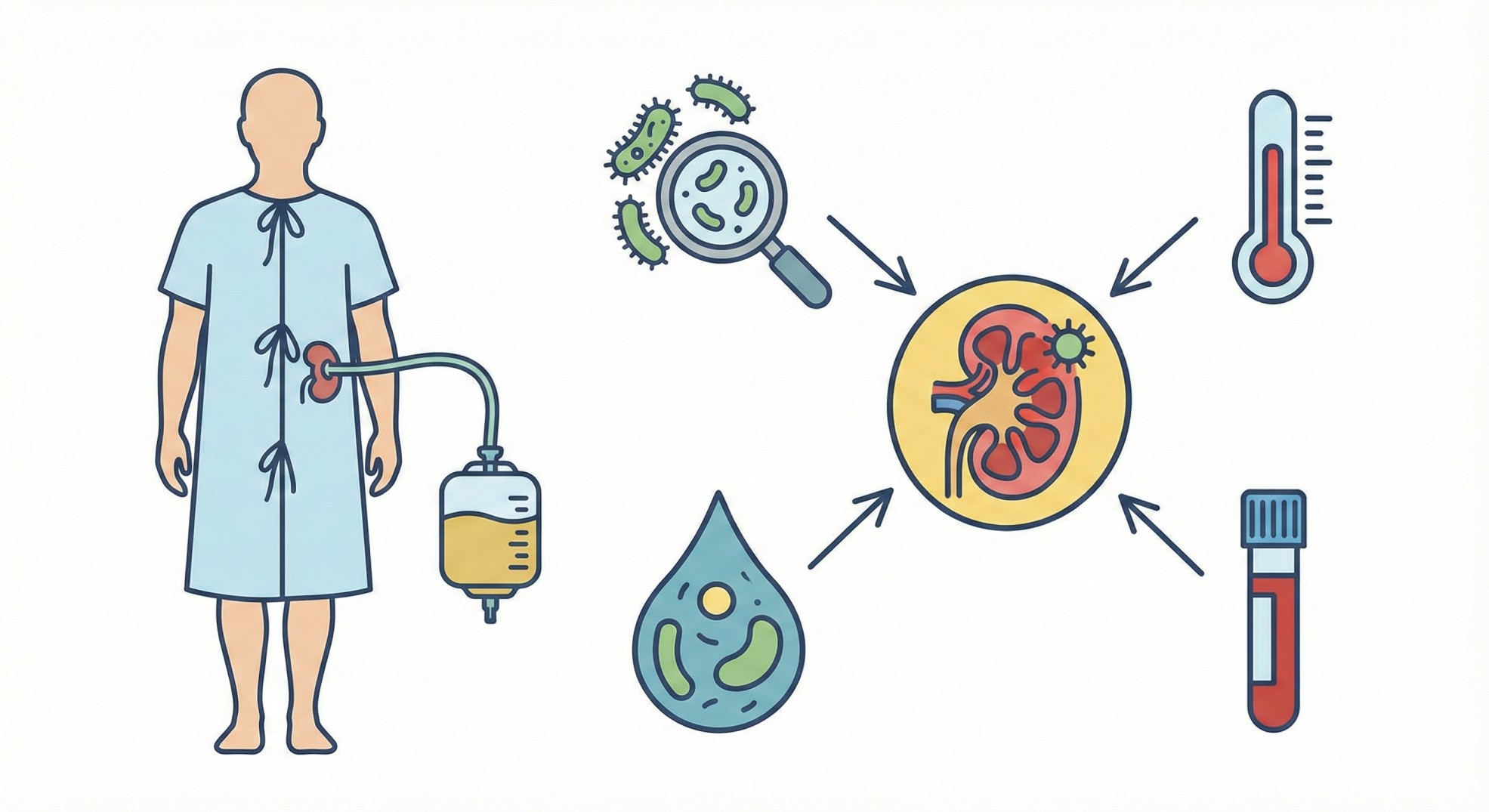
A recent investigation published in the European Medical Journal has pinpointed several clinical variables that significantly increase the likelihood of sepsis following percutaneous nephrostomy in individuals undergoing cancer treatment. The findings aim to guide physicians in minimizing infection‑related morbidity among a vulnerable patient group.
Study Overview and Patient Cohort
The retrospective analysis examined 312 cancer patients who received nephrostomy tubes for urinary drainage between 2015 and 2022 across multiple tertiary hospitals. Researchers recorded demographic data, laboratory values, tumor characteristics, and procedural details, then correlated these factors with the occurrence of sepsis within 30 days post‑procedure.
Identified Predictors of Sepsis
Multivariate logistic regression highlighted five independent risk factors:
- Female gender: Women exhibited a 1.8‑fold higher odds of developing sepsis compared with men.
- Elevated serum creatinine (>1.5 mg/dL): Impaired renal function was linked to a 2.2‑fold increase in infection risk.
- Low serum albumin (<3.0 g/dL): Hypoalbuminemia, reflecting poor nutritional status, doubled the probability of sepsis.
- Pre‑existing urinary tract infection: Patients with a documented infection within two weeks before nephrostomy faced a 2.5‑fold greater risk.
- Obstructive tumor burden at the renal pelvis: Direct tumor compression correlated with a 1.9‑fold rise in sepsis incidence.
Other variables such as age, type of malignancy, and tube size did not reach statistical significance after adjustment.
Clinical Implications and Recommendations
Based on the results, the authors suggest a targeted approach for high‑risk individuals:
- Optimize nutritional status and correct hypoalbuminemia before the procedure when feasible.
- Ensure sterile urine cultures and treat any active infection prior to tube placement.
- Consider alternative drainage methods or prophylactic antibiotic regimens for patients with markedly elevated creatinine.
- Implement close post‑procedural monitoring, especially during the first two weeks, for women and those with obstructive tumor involvement.
These strategies could reduce the incidence of severe infections, shorten hospital stays, and improve overall outcomes for cancer patients requiring renal drainage.
While the study provides valuable insight, the authors acknowledge limitations, including its retrospective design and the lack of uniform antibiotic protocols across participating centers. Prospective trials are needed to validate the proposed risk‑stratification model and to assess the effectiveness of tailored preventive measures.
In summary, the identification of gender, renal function, nutritional markers, recent urinary infection, and tumor‑related obstruction as key predictors offers clinicians actionable data to mitigate nephrostomy‑associated sepsis in oncology settings.
