
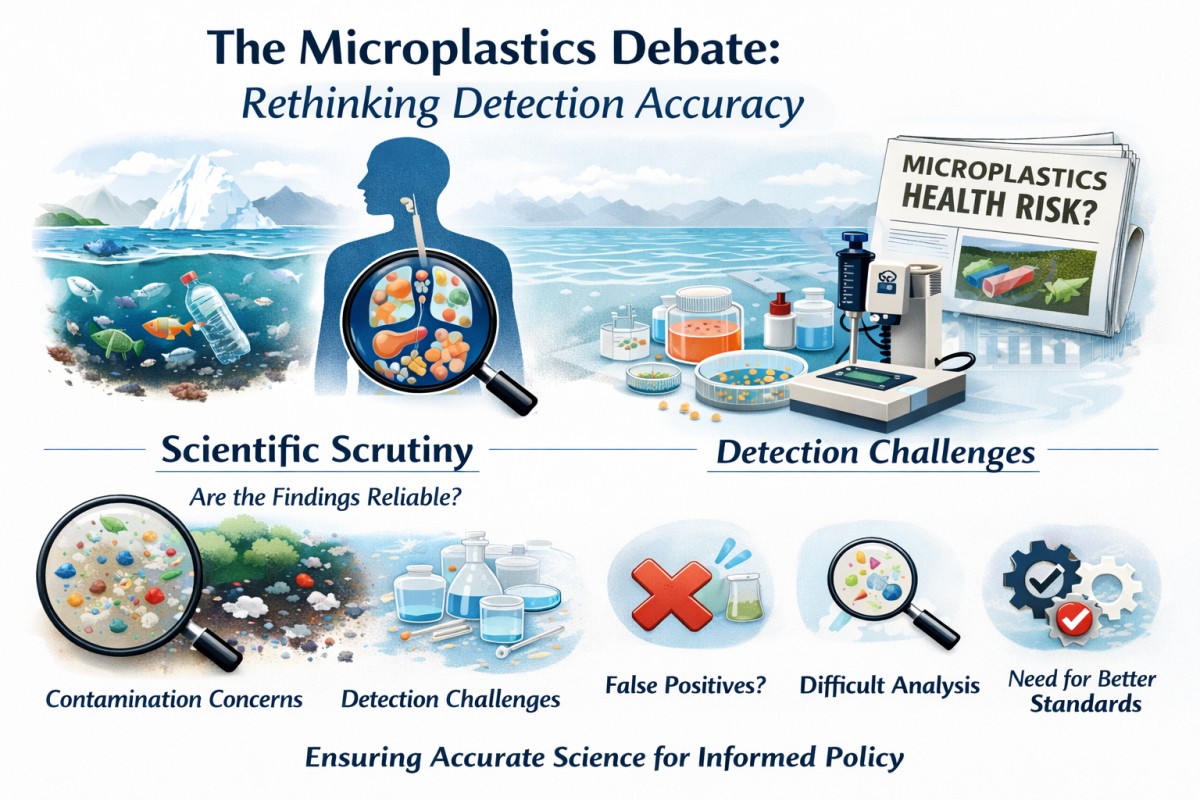
Concerns surrounding microplastics have permeated public consciousness for years, fueled by scientific reports suggesting their widespread presence in the environment, food chains, and even the human body. These tiny plastic fragments, less than five millimeters in length, have been implicated in various potential health issues, leading to significant public anxiety and calls for urgent action. However, a recent wave of scientific re-evaluation is now casting a critical eye on some of these very detection claims, prompting a crucial debate within the scientific community about the accuracy and methodology of microplastic research.
The Genesis of Concern: Early Findings and Public Reaction
The journey of microplastics from an obscure environmental issue to a mainstream concern began with studies that highlighted their pervasive nature. Researchers reported finding microplastics in oceans, freshwater systems, Arctic ice, and even remote mountain ranges. Subsequently, reports emerged detailing their presence in seafood, drinking water, salt, and various foodstuffs, painting a picture of an omnipresent contaminant. These findings naturally led to heightened public awareness and a sense of alarm, with many individuals becoming increasingly concerned about the potential ingestion and accumulation of microplastics within their own bodies. Media outlets worldwide amplified these discoveries, often presenting them as definitive evidence of a looming health crisis, further solidifying public perception of microplastics as an undeniable and pervasive threat.
Scientific Scrutiny: Unraveling the Detection Conundrum
Despite the widespread acceptance of microplastic presence, a growing contingent of scientists is now urging caution and more rigorous examination of past and current research methodologies. The core of this re-evaluation lies in the inherent challenges associated with detecting and quantifying such minute particles. Distinguishing microplastics from naturally occurring organic or inorganic matter at microscopic levels is a complex task. Furthermore, the ubiquity of plastic in modern laboratories, from equipment and clothing to air particles, poses a significant risk of sample contamination. Researchers are now highlighting instances where insufficient controls or inadequate analytical techniques might have led to misidentification or false positives. The sophisticated spectroscopic techniques required to accurately identify different polymer types often demand pristine lab conditions that are difficult to maintain, especially when dealing with samples that contain extremely low concentrations of microplastics. This scientific “bombshell,” as some media outlets have termed it, is not necessarily denying the existence of microplastics but rather questioning the certainty and extent of their reported detection in specific contexts, particularly within the human biological matrix.
Implications for Research and Public Policy
The ongoing scientific debate has profound implications for future research, public health policies, and the way society perceives and addresses plastic pollution. If previous detection methods were indeed flawed or prone to contamination, it necessitates a recalibration of existing data and a more standardized approach to microplastic analysis. This could involve developing more robust detection technologies, implementing stricter laboratory protocols to prevent contamination, and fostering greater collaboration among research institutions to ensure comparability of results. For public policy, this scientific reappraisal means that decisions regarding regulation, waste management, and public health advisories must be informed by the most accurate and validated science available. It underscores the critical importance of scientific rigor and the iterative nature of discovery, where even well-established findings can be subject to revision as understanding and technology evolve. This renewed focus on methodological soundness is crucial for building a reliable evidence base to tackle the complex challenge of plastic pollution effectively.
Key Points Regarding Microplastics Detection
- Initial reports of widespread microplastic presence fueled significant public concern.
- New scientific reviews are questioning the accuracy of some microplastic detection claims.
- Challenges include distinguishing microplastics from other particles and preventing lab contamination.
- The ubiquity of plastic in laboratories poses a significant risk for false positives.
- More rigorous and standardized detection methodologies are being called for by the scientific community.
- This re-evaluation aims to improve the reliability of future microplastic research.
- Accurate science is essential for informing effective public policy on plastic pollution.
The evolving discourse surrounding microplastics detection serves as a vital reminder of the dynamic nature of scientific inquiry. While the overarching concern about plastic pollution remains valid and pressing, this re-evaluation emphasizes the imperative for meticulous methodology and cautious interpretation of data. As scientists continue to refine their techniques and understanding, the public can expect a clearer, more accurate picture of microplastics’ true prevalence and potential impact, ensuring that future actions are based on robust, uncontaminated evidence.
