
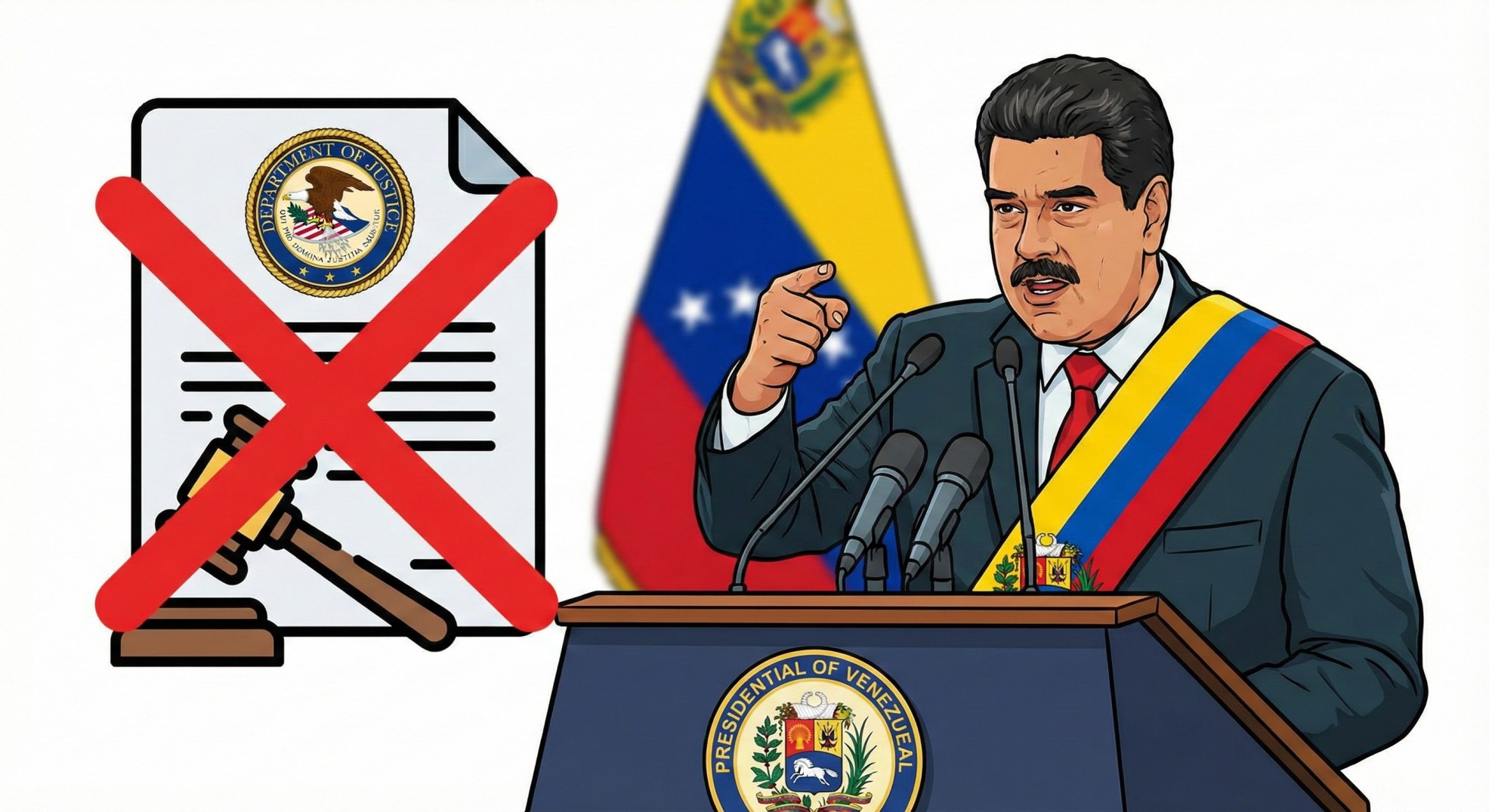
Nicolás Maduro, Venezuela’s long‑standing leader, appeared before a U.S. federal court on Wednesday, asserting that he remains the legitimate president of the nation and entering a not‑guilty plea to charges of money‑laundering and sanctions violations.
Background to the U.S. indictment
The U.S. Department of Justice charged Maduro and several senior officials with orchestrating a scheme that funneled illicit funds through a network of front companies to evade sanctions imposed after the 2018 presidential election. Prosecutors allege the scheme involved the sale of state‑owned gold and oil, with proceeds hidden in offshore accounts.
Maduro’s legal team argues that the case is politically motivated, claiming that the United States is using the judiciary to undermine his government and support opposition forces.
Maduro’s courtroom statements
During the hearing, the Venezuelan president maintained that he was “the democratically elected leader of Venezuela,” a claim that directly contradicts the U.S. government’s stance that his 2018 re‑election was fraudulent. He declared his innocence, stating that the accusations were “fabricated to destabilize our nation.”
The defense also highlighted that many of the alleged transactions were conducted before the sanctions were enacted, and that the Venezuelan state has the right to manage its resources without external interference.
International and domestic reactions
The proceedings have drawn sharp responses from both allies and critics. The European Union called for a fair trial, while the United States reaffirmed its commitment to hold those responsible for sanction evasion accountable. In Caracas, opposition leader María Corina Machado praised the indictment as a sign that “justice is finally catching up with the regime.”
Meanwhile, Maduro’s supporters rallied outside the courthouse, chanting slogans that emphasized sovereignty and rejecting what they described as “foreign meddling.”
Fast Facts: The U.S. vs. Maduro
- Maduro pleaded not guilty to U.S. money‑laundering and sanctions‑evasion charges.
- He reiterated his claim to be the legitimate president of Venezuela.
- The U.S. alleges a multi‑year scheme using gold and oil sales to bypass sanctions.
- Legal experts note the case could set a precedent for holding foreign heads of state accountable in U.S. courts.
- International reactions are split, with the EU urging due process and the U.S. emphasizing enforcement of sanctions.
The case is expected to proceed to a trial later this year, with both sides preparing extensive legal arguments. As the legal battle unfolds, the outcome may influence Venezuela’s already strained relations with the United States and shape future diplomatic engagements in the region.
