
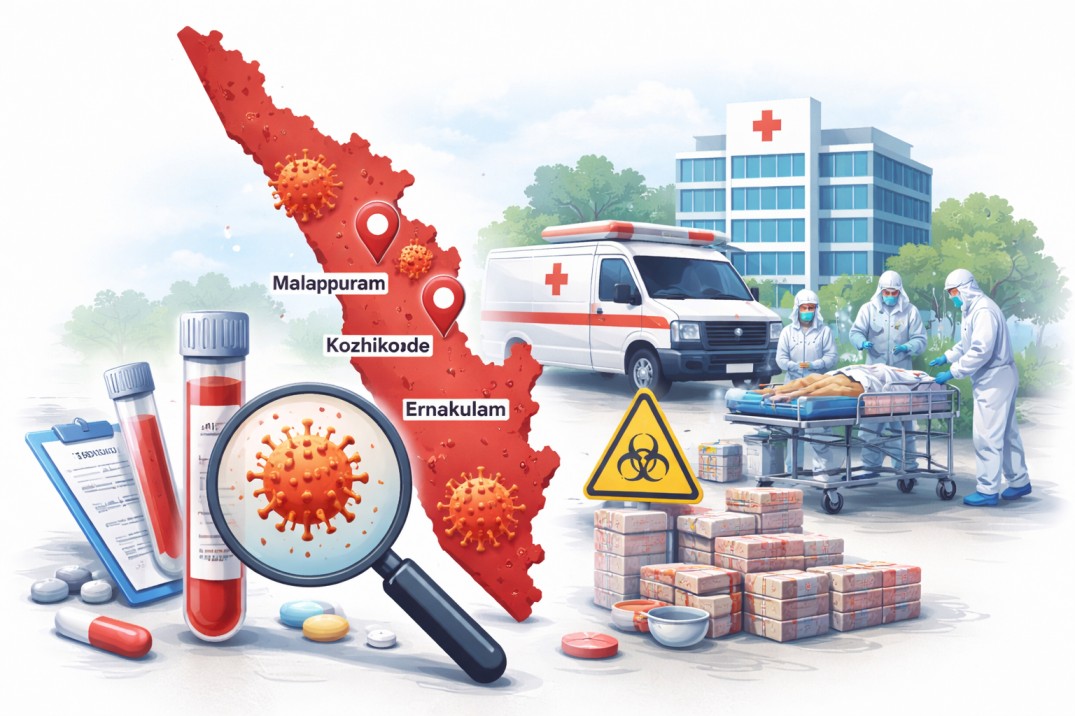
Kerala’s public health officials have confirmed a sharp rise in Hepatitis A cases across several districts, prompting heightened surveillance and public advisories. The outbreak, first reported in early March, now shows a steady climb in infections, underscoring the need for community awareness and preventive measures.
- Total Cases (2025): 31,536.
- Total Deaths (2025): 82.
- Most Affected Districts: Malappuram, Kozhikode, and Ernakulam.
- Vulnerable Demographic: There has been a significant shift in susceptibility from early childhood to adolescents and young adults (20-40 years old). This age group tends to develop more severe symptoms, leading to higher hospitalization and mortality rates.
How Hepatitis A Spreads in the Community
Hepatitis A is a viral liver infection transmitted primarily through the fecal‑oral route. Contaminated water, uncooked foods, and poor hand hygiene are the main vectors. In Kerala’s case, investigations point to two primary sources:
- Contaminated municipal water supplies in densely populated neighborhoods.
- Food handling lapses at street‑side vendors and small eateries, where inadequate washing of fruits, vegetables, and utensils can spread the virus.
Environmental assessments have also identified occasional breaches in sewage management, which can facilitate the virus’s entry into drinking water systems. Health officials stress that the virus does not spread through casual contact, but shared utensils, drinks, or food prepared in unhygienic conditions pose significant risks.
Preventive Measures and Public Guidance
To curb the outbreak, the Kerala Health Department recommends a combination of personal hygiene practices and community‑level interventions:
- Handwashing: Use soap and clean water for at least 20 seconds after using the toilet and before handling food.
- Safe drinking water: Boil water for at least one minute or use certified water filters before consumption.
- Food safety: Ensure fruits and vegetables are thoroughly washed; avoid raw or undercooked shellfish.
- Vaccination: The Hepatitis A vaccine is highly effective; high‑risk groups, including food handlers and travelers, should consider immunization.
- Sanitation upgrades: Local authorities are urged to inspect and repair water pipelines and sewage systems promptly.
Schools and workplaces have been instructed to display hygiene posters and to provide hand‑sanitizing stations. Anyone experiencing symptoms such as jaundice, fatigue, dark urine, or abdominal pain should seek medical attention immediately.
By adopting these measures, residents can protect themselves and help break the chain of transmission. Continued vigilance from both authorities and the public will be essential to bring the outbreak under control.
