
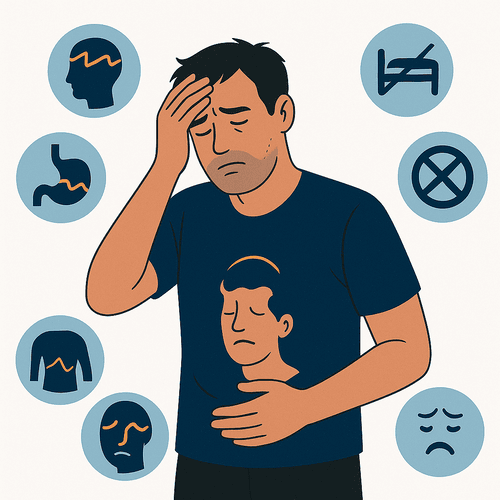
Your body is an incredibly intelligent system—it often tries to warn you before an illness takes hold. Most of us tend to overlook small changes, blaming them on stress, lack of sleep, or overwork.
However, recognizing these early signals can help you act before a minor issue becomes a serious health concern.One of the most common early indicators is unusual fatigue. Feeling tired after a long day is normal, but persistent tiredness even after proper rest can suggest your body is fighting an infection or that your immune system is under stress. This fatigue is often your body’s way of diverting energy toward healing.
Another sign is loss of appetite or sudden craving changes. When your digestive system isn’t functioning properly, or your body is dealing with inflammation, it can alter hunger patterns. Ignoring such changes might mean missing the early stages of an infection, liver issue, or hormonal imbalance.
Headaches and body aches that appear without any clear reason can also be an early warning. Dehydration, vitamin deficiencies, or even the onset of viral infections can trigger these symptoms. If they occur frequently or come with mild fever or dizziness, it’s a good idea to rest, hydrate, and monitor your body closely.
Changes in sleep patterns, whether difficulty falling asleep or waking frequently at night, can indicate underlying anxiety, thyroid dysfunction, or even early metabolic disturbances. Your sleep reflects your internal balance—when your system is under strain, restlessness often follows.
A frequently overlooked sign is digestive irregularity. Sudden constipation, bloating, or loose motions could mean your gut microbiome is disturbed or your diet is not agreeing with you. The gut is deeply connected to the immune system, and imbalance there often precedes illness.
Skin changes are another key indicator. A sudden breakout, dryness, or pale complexion can signal that your body is detoxifying or lacking essential nutrients. The skin often mirrors internal health—it reflects what’s happening inside your body more accurately than you think.
Lastly, mood fluctuations—feeling unusually irritable, anxious, or low—can also point toward hormonal or nutritional imbalances. The mind and body share a direct connection, and emotional changes often surface before physical symptoms do.
Listening to your body requires awareness and consistency. Instead of treating these signals as temporary discomforts, pay attention to what they might be telling you. Small lifestyle adjustments—adequate hydration, balanced meals, mindful rest, and regular exercise—can often correct early imbalances before they escalate into disease.In short, prevention begins with observation. Your body speaks quietly, but when you learn to listen, it can protect you from far more than you realize.
